

Astronauts Confident in Boeing Starliner’s Safe Return Despite In-Flight Technical Issues
NASA’s Boeing Starliner crew flight became an important test of how a new spacecraft performs when unexpected problems arise in orbit. During the mission, astronauts Barry Wilmore and Sunita Williams remained focused on their training and spacecraft procedures while engineers on Earth investigated issues involving the vehicle’s propulsion system and helium supply.
The mission was designed to demonstrate that Starliner could safely transport astronauts to and from the International Space Station (ISS) as part of NASA’s Commercial Crew Program. Although the spacecraft encountered technical challenges during its flight, NASA and Boeing continued a detailed review of the available engineering data before making decisions about the spacecraft’s return.
For readers of International News Gateway, the key point is that spacecraft certification does not depend on confidence alone. NASA must evaluate propulsion performance, thermal protection, software behavior, life-support systems, and other safety-critical data before approving a crewed spacecraft for operational service.
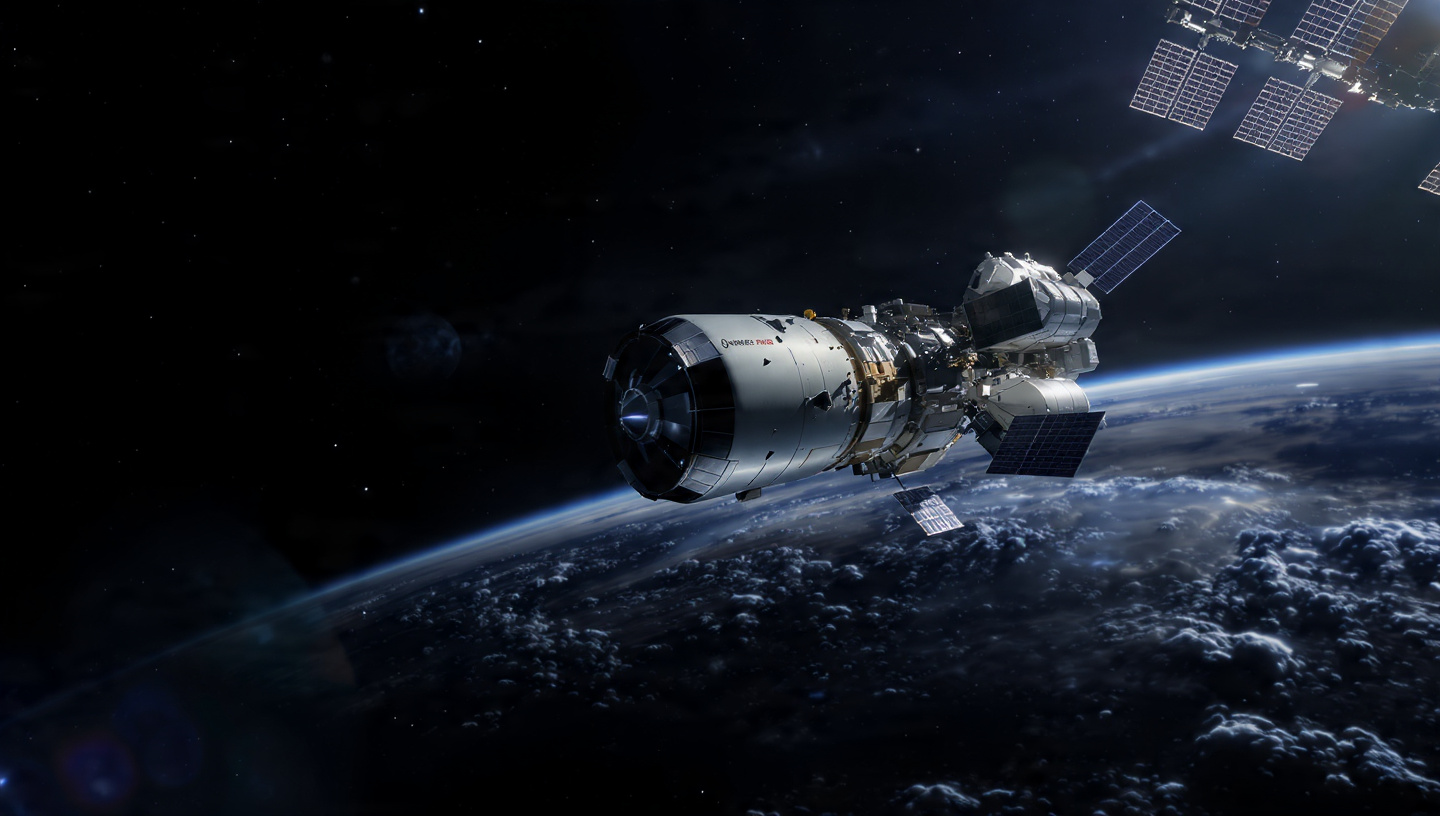
Boeing Starliner Mission Puts Spacecraft Systems to the Test
Boeing’s CST-100 Starliner was developed to provide NASA with another U.S. transportation option for astronauts traveling to low Earth orbit.
During its crewed flight test, the spacecraft experienced several anomalies involving its reaction-control thrusters and helium system. Some thrusters temporarily became unavailable during the approach to the station, while helium-system readings required additional analysis by engineers.
These events did not automatically mean that the spacecraft was unsafe. Modern crewed spacecraft are designed with redundancy, allowing alternative systems to perform essential functions when individual components experience problems.
The purpose of a flight test is precisely to collect real-world information that cannot always be reproduced perfectly during ground testing.
NASA’s engineering teams therefore examined the spacecraft’s performance in orbit, compared the results with predictions, and evaluated whether sufficient safety margins remained for the next stage of the mission.
Why Astronauts Remained Confident in Starliner
Wilmore and Williams entered the mission with extensive experience and significant training in spacecraft emergencies, manual control, and contingency procedures.
That preparation is an important part of crewed spaceflight. Astronauts do not rely solely on a spacecraft operating perfectly. They train for situations involving equipment failures, changes in mission plans, communication problems, and other contingencies.
The Starliner’s ability to use backup systems was therefore an important consideration during the flight.
At the same time, an astronaut’s confidence should not be interpreted as an independent certification of a spacecraft. NASA’s formal safety decisions require extensive technical analysis by flight controllers, engineers, and program managers.
That distinction is particularly important when discussing experimental or developmental spacecraft. A positive crew assessment can provide useful operational insight, but it is only one part of the broader safety evaluation.
NASA Reviews Thruster and Helium-System Performance
One of the major areas of attention during the mission was Starliner’s propulsion system.
The spacecraft uses multiple thrusters for maneuvering and attitude control. During rendezvous with the ISS, several thrusters temporarily stopped operating as expected. Engineers were subsequently able to restore most of the affected systems while continuing to investigate the underlying causes.
The helium system also attracted attention after engineers observed leaks associated with the spacecraft’s propulsion architecture.
Helium is used to pressurize propulsion systems, so engineers must carefully monitor pressure and consumption. A small leak does not necessarily prevent a spacecraft from completing its mission, but engineers must determine whether the condition could worsen or affect critical maneuvers.
For NASA, the important question is not simply whether a component experienced an anomaly. Engineers must establish why it happened, how it behaves under different conditions, whether it can recur, and whether adequate backup capability remains available.
Those assessments are central to determining whether a spacecraft is ready for future crewed operations.
Spacecraft Testing Is Designed to Reveal Problems
Developmental test flights are valuable because they expose spacecraft systems to the actual environment of space.
Before launch, engineers can conduct vibration tests, thermal testing, simulations, hardware qualification, software testing, and numerous other evaluations. However, an orbital mission introduces conditions that are difficult to reproduce completely on Earth.
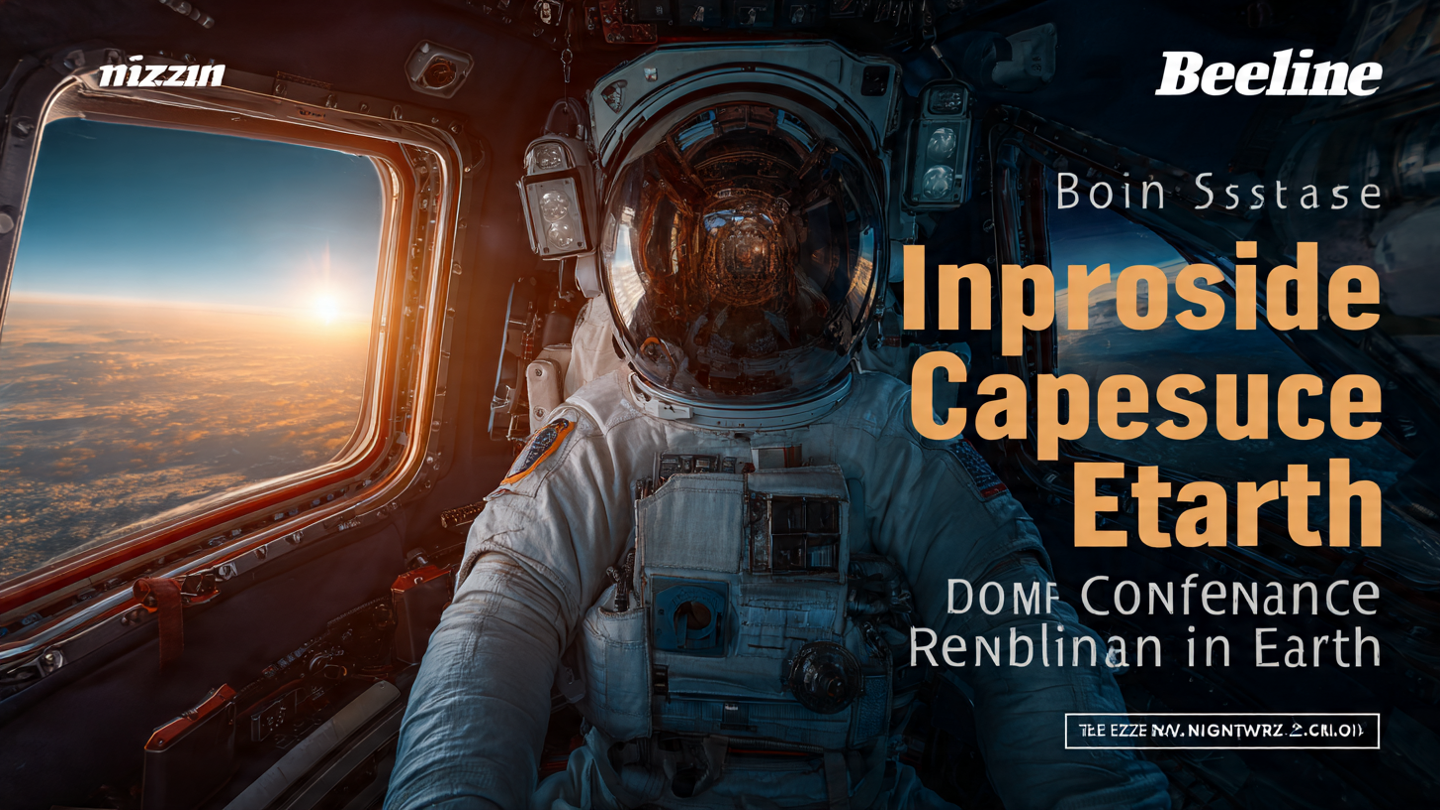
Starliner’s flight therefore provides NASA and Boeing with information that can be used to improve future spacecraft.
Software behavior, thermal conditions, propulsion performance, sensor readings, and spacecraft interactions with the ISS can all provide lessons for subsequent missions.
Rather than viewing every anomaly as evidence that a spacecraft has failed, engineers typically assess each event within the context of the vehicle’s overall performance and established safety requirements.
That approach is particularly important for a new crew transportation system that must eventually meet NASA’s rigorous certification standards.
Starliner’s Redundant Design Is Central to Crew Safety
Crewed spacecraft are built around redundancy because no complex system can be expected to operate without occasional component failures.
Starliner incorporates multiple systems intended to support critical spacecraft functions. Its avionics, propulsion, communications, navigation, life-support equipment, and other systems are designed with various forms of backup capability.
Redundancy does not mean that failures are ignored. Instead, it provides engineers with additional options while they investigate problems and determine whether the spacecraft remains within acceptable safety limits.
For astronauts, this architecture can be particularly important during phases such as launch, rendezvous, undocking, and atmospheric reentry, when spacecraft systems must perform precisely.
NASA’s certification process therefore evaluates not only whether the primary system works but also how the spacecraft responds when individual components become unavailable.
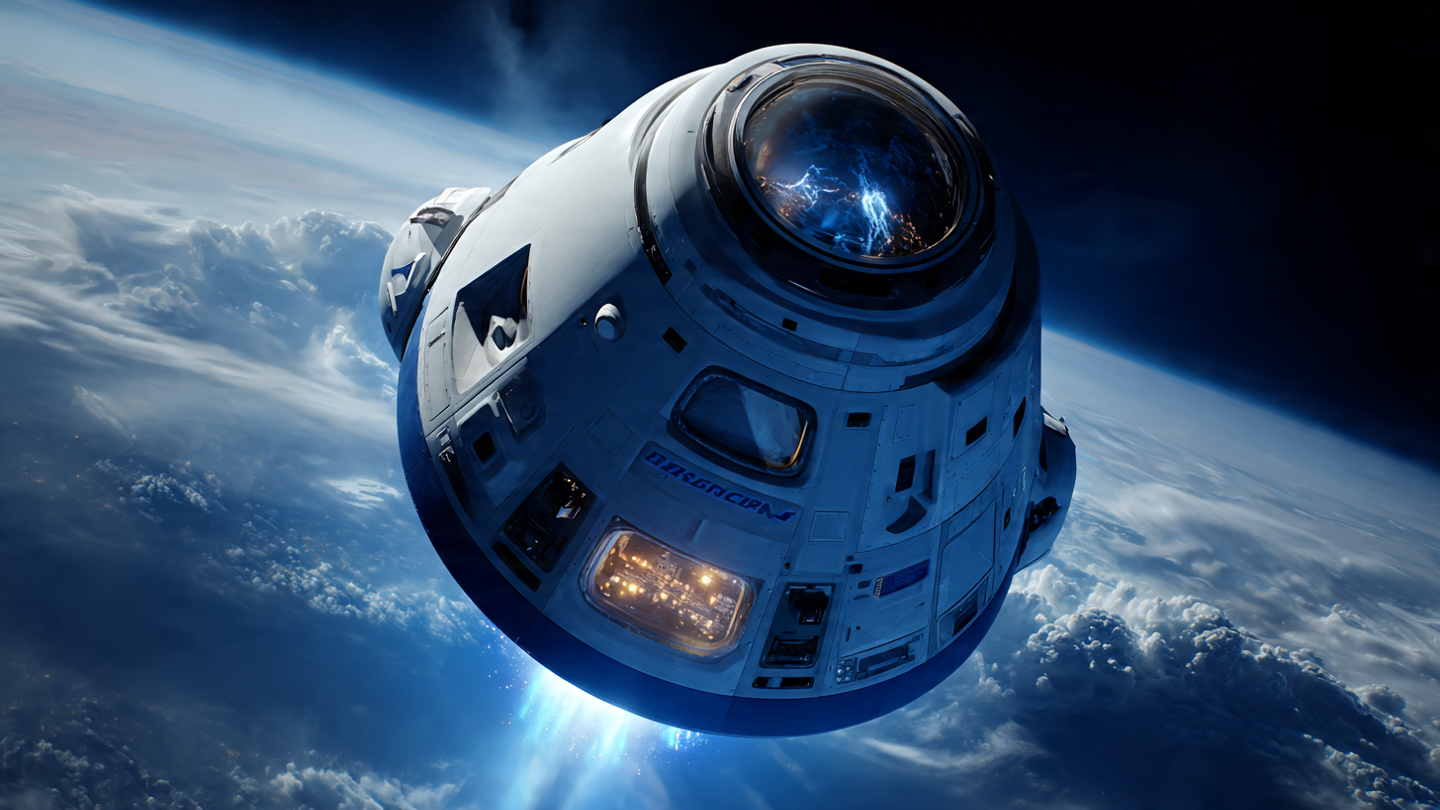
Starliner’s Heat Shield and Reentry Systems Require Careful Evaluation
Atmospheric reentry is one of the most demanding phases of any crewed spaceflight.
As a spacecraft returns from orbit, it encounters extreme aerodynamic heating. Its thermal protection system must absorb and withstand that environment while maintaining safe conditions inside the crew compartment.
NASA engineers therefore examine thermal data and compare it with predictions and certification requirements before approving a crewed return.
The evaluation can include flight measurements, computer modeling, ground tests, inspections, and comparisons with previously collected data.
This type of review can take time, particularly when a spacecraft is completing a developmental test mission.
For Starliner, understanding the performance of the entire vehicle—including propulsion, navigation, software, thermal protection, parachutes, and landing systems—is essential before NASA can determine its readiness for future operational missions.
What Starliner Means for NASA’s Commercial Crew Program
NASA established the Commercial Crew Program to develop commercially operated spacecraft capable of transporting astronauts to and from low Earth orbit.
The program has already demonstrated the importance of having more than one transportation provider.
SpaceX’s Crew Dragon currently provides crew transportation services for NASA, while Boeing’s Starliner is intended to become another option once it completes NASA’s certification requirements.
Having multiple spacecraft offers operational flexibility. If one vehicle experiences a technical issue or becomes temporarily unavailable, NASA can potentially rely on another transportation system when mission schedules and safety requirements allow.
That redundancy becomes increasingly important as the ISS continues hosting international crews and NASA prepares for future commercial destinations in low Earth orbit.
How the Starliner Test Could Influence Future Missions
The outcome of Starliner’s crewed flight test will influence how NASA and Boeing approach future missions.
Technical findings can result in software modifications, hardware changes, updated testing procedures, revised operational guidelines, or additional verification before certification.
Such changes are normal in the development of complex spacecraft.
The objective is not simply to complete one successful mission. NASA needs confidence that the spacecraft can perform reliably across repeated missions under a range of conditions.
That means engineers must turn flight-test data into improvements that can be incorporated into future vehicles.
A successful certification process would ultimately allow Starliner to move from developmental testing toward regular crew transportation missions, subject to NASA’s safety and program requirements.
Why a Second U.S. Crew Vehicle Matters
A reliable second U.S. crew spacecraft would provide NASA with greater flexibility in managing human spaceflight operations.
Since the retirement of the Space Shuttle, NASA has depended on commercial spacecraft to transport astronauts to and from the ISS. Crew Dragon has become an important part of that transportation network, while Starliner is intended to provide another option.
Maintaining multiple transportation systems can reduce dependence on a single spacecraft design and provide additional flexibility when missions, maintenance schedules, or technical investigations change.
The benefit extends beyond the ISS.
NASA’s long-term human-spaceflight plans include missions beyond low Earth orbit, including the Artemis program and future exploration activities. Experience gained through commercial crew spacecraft can contribute to the broader knowledge required for increasingly complex human missions.
What Happens Next for Boeing Starliner?
The next stage depends on NASA’s technical review and the conclusions drawn from the mission data.
Engineers will continue evaluating the propulsion anomalies, helium-system behavior, spacecraft software, thermal performance, and other flight information. Any required corrective actions must be verified before NASA moves toward operational certification.
This process illustrates an important principle of human spaceflight: schedule is secondary to crew safety.
Even when astronauts are confident in their spacecraft, NASA must independently establish that the vehicle meets its safety requirements. That process can involve additional testing, engineering reviews, and modifications before another crewed mission is approved.
The lessons from Starliner’s flight will therefore extend beyond a single mission.
The Bigger Picture for U.S. Human Spaceflight
Boeing Starliner represents more than another spacecraft. It is part of NASA’s effort to build a sustainable commercial transportation system for astronauts in low Earth orbit.
The spacecraft’s development has faced technical and schedule challenges, but those experiences also provide valuable engineering data.
If NASA and Boeing successfully resolve the remaining issues and demonstrate that Starliner can meet certification requirements, the United States will have two independently operated crew transportation systems available for future missions.
Related Reading on International News Gateway: The Challenge of Creating Internet on Mars
That would strengthen operational resilience while encouraging continued innovation in the commercial space industry.
For the astronauts, engineers, and mission controllers involved, the immediate priority remains straightforward: understand every significant anomaly, verify the spacecraft’s performance, and use the lessons from the flight to make future missions safer.
Final Takeaway
The Boeing Starliner crewed test flight demonstrates why spaceflight is both technologically demanding and highly methodical. Technical problems can occur even on carefully tested spacecraft, but what matters is how engineers identify, understand, and resolve those problems.
Wilmore and Williams’ confidence reflects their training and experience, while NASA’s detailed engineering review provides the independent safety assessment required before Starliner can become a routine crew vehicle.
The ultimate measure of the mission will not simply be whether Starliner completes one flight. It will be whether the data gathered from this test can be used to produce a dependable spacecraft capable of safely supporting astronauts on future missions.
Editorial note: This article is intended for general informational purposes. Spacecraft status, mission schedules, technical findings, and NASA certification decisions can change as new information becomes available. Readers should consult official NASA and Boeing mission updates for the latest verified information.





капельница при алкогольной интоксикации на дому цена капельница при алкогольной интоксикации на дому цена .
запой подольск kapelnica-ot-zapoya-podolsk11.ru .
Официальная покупка диплома вуза с сокращенной программой обучения в Москве
круглосуточный вывод из запоя в балашихе круглосуточный вывод из запоя в балашихе .
вывод из запоя круглосуточно москва вывод из запоя круглосуточно москва .
медикаментозный вывод из запоя москва http://vyvod-iz-zapoya-moskva12.ru/ .
выведение из запоя люберцы выведение из запоя люберцы .
нарколог в люберцах kapelnica-ot-zapoya-lyubercy12.ru .
вывод из запоя в люберцые вывод из запоя в люберцые .
химки вывод из запоя химки вывод из запоя .
неотложная наркологическая помощь в москве неотложная наркологическая помощь в москве .
как вызвать наркологическую бригаду http://www.skoraya-narkologicheskaya-pomoshch-moskva12.ru .
История и развитие Istanbul International Airport, успешные этапы развития.
Необычные стороны аэропорта, о которых мало кто слышал.
Уникальная архитектура Istanbul International Airport, которые невозможно не отметить.
Планы и развитие Istanbul International Airport, направления роста и совершенствования.
Что делает аэропорт уникальным, что сделано для комфорта путешественников.
the istanbul airport the istanbul airport .
срочная наркологическая помощь в москве срочная наркологическая помощь в москве .
капельница на дому от запоя капельница на дому от запоя .
стоимость капельницы от похмелья стоимость капельницы от похмелья .
купить диплом во владикавказе russa-diploms.ru .
после капельницы от запоя на дому после капельницы от запоя на дому .
быстрый вывод из запоя в стационаре быстрый вывод из запоя в стационаре .
вывод из запоя в стационаре анонимно вывод из запоя в стационаре анонимно .
Приобретение школьного аттестата с официальным упрощенным обучением в Москве
вывод из запоя в клинике вывод из запоя в клинике .
вывод из запоя нижний новгород стационар вывод из запоя нижний новгород стационар .
вывод из запоя круглосуточно вывод из запоя круглосуточно .
снятие ломки на дому цена снятие ломки на дому цена .
снятие ломки недорого снятие ломки недорого .
снятие ломки в стационаре снятие ломки в стационаре .
Осуществим мечту о доставке цветов в Нижнем Новгороде, с нами легко и просто.
Превратите день волшебства с доставкой цветов в Нижнем Новгороде, порадуйте себя и других прекрасными цветами.
Красота и свежесть цветов на доставку в Нижнем Новгороде, закажите прямо сейчас.
Доставка цветов в Нижнем Новгороде: стильно и красиво, доставляем красоту прямо к вам домой.
Сделайте приятный сюрприз с доставкой цветов в Нижнем Новгороде, берите только лучшее.
Закажите доставку цветов в Нижнем Новгороде прямо сейчас, реализуем ваши желания.
Лучший подарок для специального дня: доставка цветов в Нижнем Новгороде, не упустите шанс порадовать цветами.
Сделайте день особенным: доставка цветов в Нижнем Новгороде, выбирайте лучший сервис.
Осуществим мечту о цветах в Нижнем Новгороде, сделайте заказ у нас.
цветы на заказ нижний новгород цветы на заказ нижний новгород .
digital маркетинговое агентство http://marketing99.ru/ .
бизнес план флористического магазина http://www.cvetov-ray.ru .
бизнес план магазин цветов бизнес план магазин цветов .
вывод из запоя цена вывод из запоя цена .
вывод из запоя санкт петербург вывод из запоя санкт петербург .
куплю диплом дней russa-diploms.ru .
вывод из запоя цена вывод из запоя цена .
Полезные советы по безопасной покупке диплома о высшем образовании
Познавательные данные о мире смазочно-охлаждающих жидкостей, Советы по выбору подходящей смазочно-охлаждающей жидкости, для эффективной работы механизмов, Смазочно-охлаждающие жидкости: что нужно знать автолюбителю?, Как часто нужно обновлять смазочно-охлаждающие жидкости в машине?, Секреты правильного хранения смазочно-охлаждающих жидкостей, для обеспечения эффективной работы механизмов, для понимания процесса производства, Самостоятельная оценка качества смазочно-охлаждающих жидкостей, Советы по уходу за автомобилем с применением смазочно-охлаждающих жидкостей, для предотвращения поломок и неожиданных поломок, Смазочно-охлаждающие жидкости: экономить или инвестировать?, Полезные советы по организации
охлаждающая жидкость сож https://msk-smazochno-ohlazhdayushchie-zhidkosti.ru/ .
Изысканный дизайн без усилий, коннелюрный плинтус – ваш выбор
коннелюрный коннелюрный .
капельница от запоя на дому http://www.snyatie-zapoya-na-domu16.ru/ .
вывод из запоя на дому нижний новгород вывод из запоя на дому нижний новгород .
вывод из запоя в стационаре вывод из запоя в стационаре .
феодосия пансионаты для престарелых феодосия пансионаты для престарелых .
пансионат для престарелых керчь пансионат для престарелых керчь .
сколько стоит купить аттестат 11 класса russa-diploms.ru .
Выбирайте лучшее для вашего малыша – Peg Perego
peg perego book plus 3 в 1 https://kolyaska-peg-perego.ru/ .
Процесс получения диплома стоматолога: реально ли это сделать быстро?
пансионат для пожилых в крыму отзывы пансионат для пожилых в крыму отзывы .
путевка в дом интернат путевка в дом интернат .
алкоголизм лечение вывод из запоя ростов https://vyvod-iz-zapoya-rostov117.ru/ .
Качественные мотозапчасти для вашего мотоцикла | Обновите свой байк современными деталями | Большой выбор запчастей для различных моделей | Найдите запчасти для своего мотоцикла | Сделайте правильный выбор запчастей для вашего байка | Лучшие предложения на мотозапчасти для мотоциклов | Найдите оптимальные детали для своего мотоцикла | Официальный дилер лучших производителей запчастей | Выбирайте качественные детали для своего байка | Улучшите свой байк с помощью новых деталей | Найдите все необходимое для обслуживания мотоцикла | Консультации по выбору запчастей для мотоциклов | Быстрая доставка деталей по всей стране | Выбирайте оптимальные детали для вашего байка | Закажите мотозапчасти для мотоциклов в один клик
запчасти для мотоцикла иж https://motorcyclepartsgdra.kiev.ua/ .